The way we eat and drink is changing. Consumers are rethinking their everyday choices.
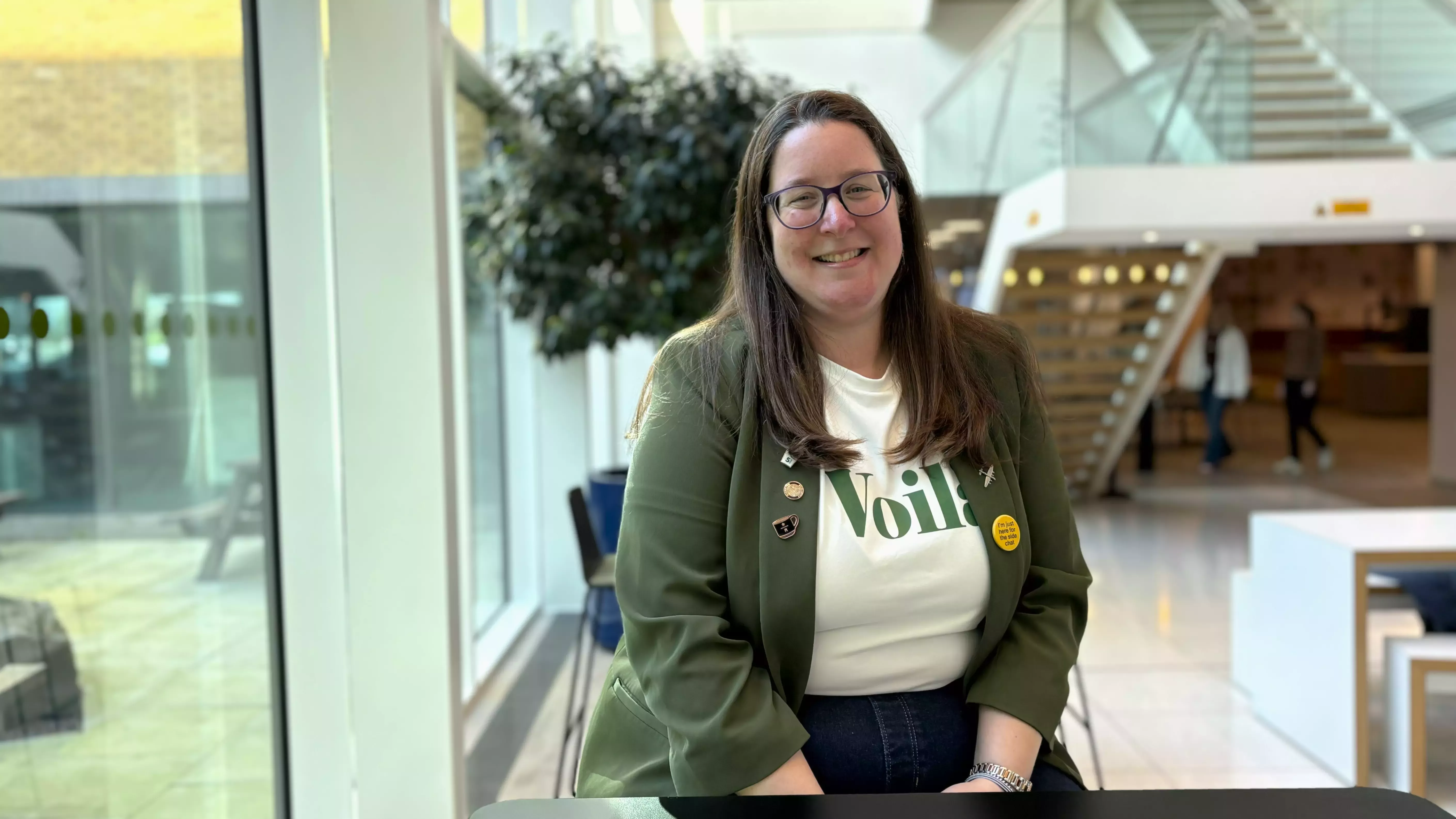
To make sense of what’s coming next, we spoke with Kate Knibbs, Cross-Category Consumer, Marketplace Insights and Analytics Lead, at Nestlé UK and Ireland. Kate keeps a close eye on the big shifts shaping what we eat and drink, spotting emerging trends and potential disruptors across Nutrition, Health and Wellness, Corporate Brand and Sustainability.
Her role is to turn all this consumer data into clear, practical direction, so that we stay tuned in to what they’ll expect from brands like ours.
What are the biggest forces shaping consumer food and drink behaviour as we move forward in 2026?
“From an insights’ perspective, 2026 is a fascinating moment to be watching food and drink. Habits always shift under pressure, and after a couple of turbulent years (understatement of the decade), people are still adapting. And let’s be honest, 2026 isn’t exactly shaping up to be a walk in the park either! Last year, 80% of adults said they’d felt stressed and that emotional backdrop really spills over into our choices.”
Which economic or cultural shifts are influencing what people buy?
“Health is still centre stage, but it looks different now. Gone are the days of all-or-nothing transformation. Today, it’s about grounded, functional, everyday help. In a world crammed with information (not all of it curated by actual experts) and with public conversations about GLP-1s (medicines for weight loss and diabetes) rising, people are craving simple, trustworthy guidance. And they want food that can multi-task: taste good, feel good, do good. Only 2% of people choose food just for health. The rest want health, plus flavour, plus emotional comfort, plus convenience, all in one.
“Eating patterns are loosening too. More than half of consumers now swap traditional meals for snacks or ‘little eating moments’. Traditional ‘evening snacking in front of the TV’ is quietly fading, particularly among 25–44-year-olds, as screen habits fragment and routines loosen. Instead, eating moments are becoming more fluid and opportunistic, spread across busy days rather than anchored to set occasions. The day is less nine-to-five and more… well, here and there. Products need to work everywhere, at desks, on sofas, during commutes, in the five minutes before a Teams call. And talking of tech, two in three consumers have used AI for recipes, meal-planning or shopping, and Gen Z is discovering products online long before they hit the shelves. It can sound like consumers want everything, everywhere, all at once, but honestly, it’s full of opportunities. It gives Nestlé plenty of places to show up with useful, joyful, no-compromise solutions.”
Which food and beverage trends do you see accelerating quickly in the UK and Ireland?
“Functional health is surging: protein, fibre, mood supporting ingredients. Anything that helps people feel better in a real, immediate way. Whether someone’s focusing on weight management or just wants a daily boost, functional foods are becoming a staple, not a niche. Convenience-plus formats are rising fast too; more ready-to-eat, ready-to-drink, and snacks, that feel both easy and a little bit virtuous. On the emotional side, people want richer experiences; seasonal flavours, global food stories, and products that feel like tiny acts of self-expression. Personally, I can’t get enough of Korean BBQ everything!”
From packaging to responsible sourcing, which sustainability trends matter most to UK consumers?
“On sustainability, expectations remain sky high. It might not lead every purchase, but people absolutely want transparency: clear labels, responsible advertising, and brands that walk the talk. Performative green claims? Consumers can spot them from a mile away.”
Where is innovation moving fastest – ingredients, sustainability, personalisation – and where does Nestlé have the strongest opportunity to differentiate or lead?
“To win in 2026, our brands need to offer multiple benefits at once: great taste, emotional comfort, convenience, and clear functionality. It’s about designing for real life. Grab‑and‑go formats, portable packs, sharing, and frictionless experiences that support health and sustainability without asking people to sacrifice anything. And with the breadth of our portfolio - from coffee to health science to pet care and more - we’re well placed to show up wherever consumer needs evolve next.”
And with that, we asked Kate for three bold predictions on how people will be eating and drinking by the end of the year…
“Thank you for not asking me to predict this year’s football World Cup winner – phew!
"Prediction one: Self‑care will expand beyond manicures and early nights. People will increasingly treat food as part of their wellbeing kit. Protein, fibre, collagen, mood support. Expect them baked, blended or sprinkled into everyday choices. Prediction two: Flavour will continue to explode. Think more limited-editions, more global inspiration, and more formats designed for social sharing. People want joy, novelty and connection, tiny escapes from everyday pressure. Prediction three: People will choose products that make them feel clever, save them time, or spark joy, even if they cost a touch more.
“All in all, 2026 looks set to be a year of smarter choices, bigger flavours and plenty of space for brands to make life feel just that little bit easier.”