

- Nearly nine in ten UK farmers (87%) are more open to adapting farming practices to improve soil health and resilience to extreme weather than five years ago
- More than half (52%) of UK adults are worried this year’s weather could negatively affect grocery prices
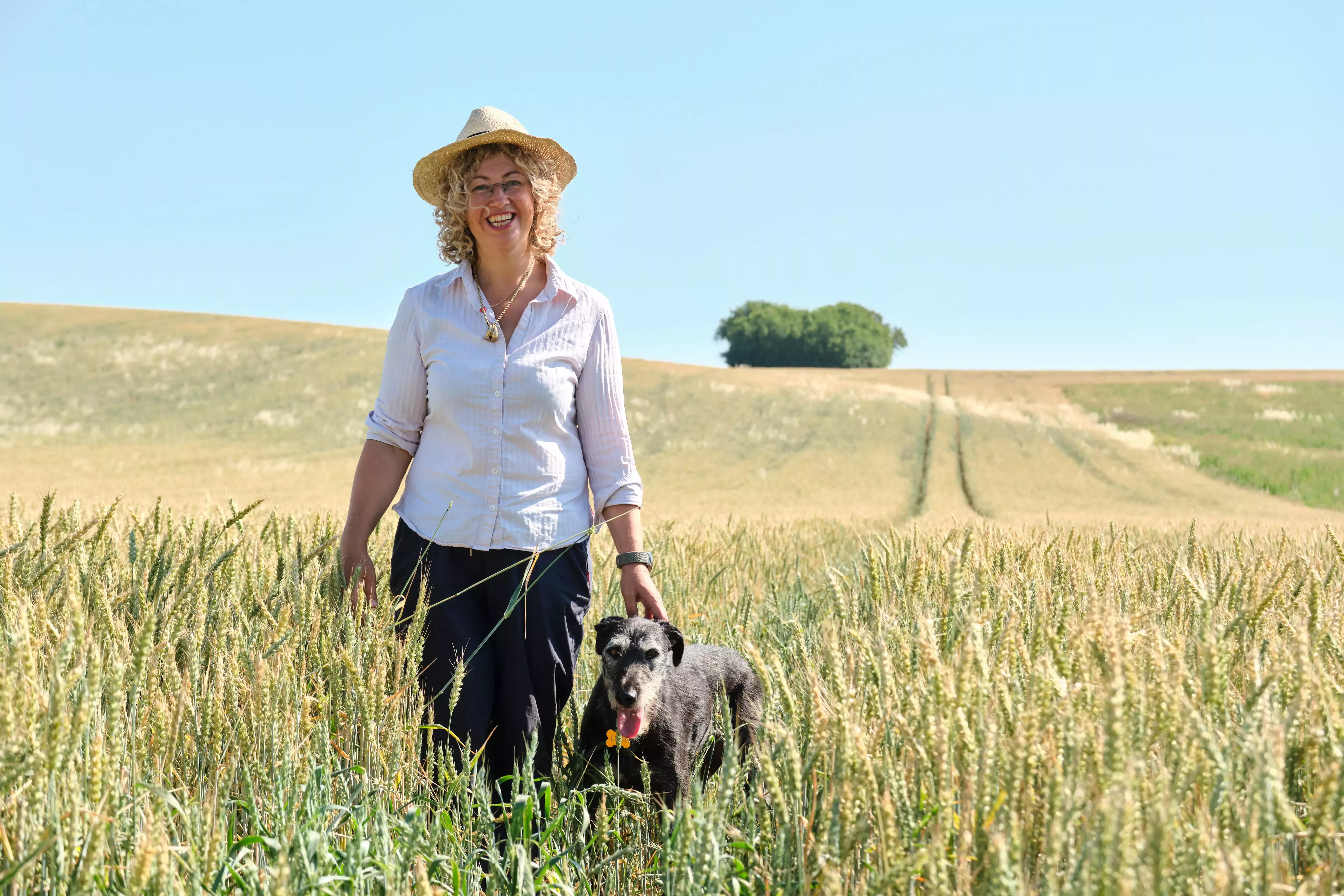
- Bedfordshire wheat farmer Claire Donkin says her yield is around 30% below what she would normally expect following the hot, dry summer
- Pet care company Purina is supporting programmes that help farmers make changes to improve soil health
Pet care company Purina is highlighting the importance of supporting UK farmers to help them adopt regenerative practices, as new research points to increasing British farming from difficult weather and rising costs.
Through Landscape Enterprise Networks (LENs), Purina is providing funding, technical expertise and practical support for 110 UK wheat farmers across 8,000 hectares of UK farmland, helping them to trial measures including cover crops, crop rotation, reduced soil disturbance, improved nutrient management and tree and hedgerow planting.
New research commissioned by Purina among 100 UK farmers reveals 87% are more likely to consider changing how they farm to improve soil health and resilience to extreme weather than they were five years ago.
The findings come after a difficult 2026 growing season, with hot, dry conditions putting further pressure on cereal crops.
Putting Purina’s support into practice
One of the farmers supported through LENs is Bedfordshire wheat farmer and agronomist, Claire Donkin, whose family has farmed Donkin Farm for more than 50 years.
Following this year’s hot, dry summer, Claire says her wheat yield is around 30% below what she would normally expect. She is introducing new techniques including growing cover crops and legumes, reduced cultivation and microbial soil testing as part of a longer-term effort to improve soil health and the resilience of her farm for future generations.
Commenting on the changes she’s making at Donkin Farm, Claire said: “The hot, dry weather has put our wheat under even more pressure and our yield is around 30% below what we would normally expect.
“When you have a year like this, it makes you think very hard about what you can do differently. We cannot control when it rains, but we can look after the soil and try to give the farm the best chance of coping with whatever comes next.
“What is interesting is that many of the principles we are coming back to are things earlier generations of farmers would recognise immediately. From rotating crops, keeping the ground covered and looking after hedgerows, it’s not new. The difference is that we can now put modern science around that knowledge. We can test the biology of our soil, use better agronomy and measure much more closely whether what we are doing is working.
Why Purina is supporting wheat farmers
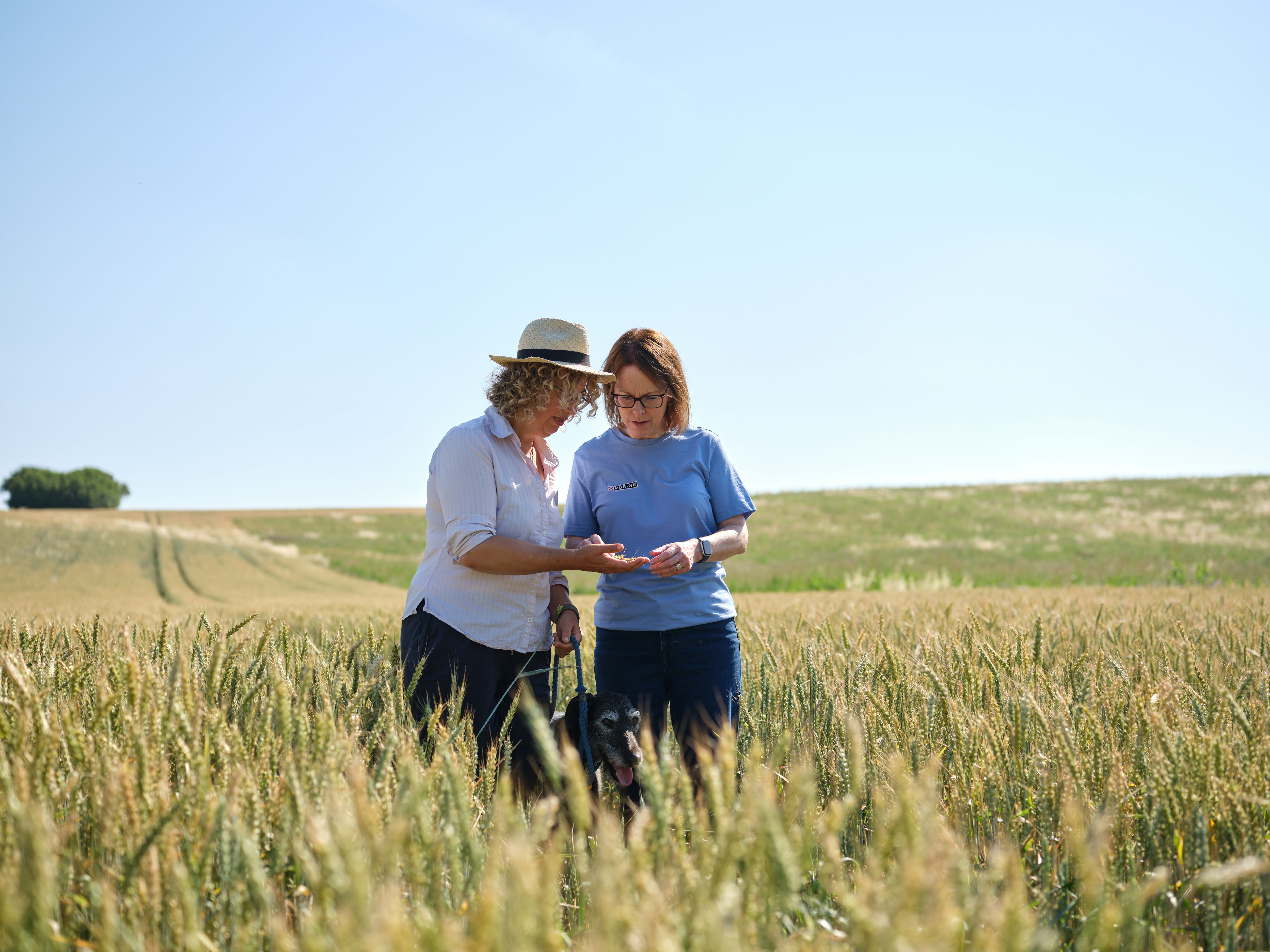
Claire Robinson-Davies, Corporate Affairs and Sustainability Director at Purina UK, said: “People may not immediately connect a pet food company with wheat fields, but cereals and vegetable proteins used in many of our recipes, begin life on farms.
“That is why we are working through LENs to provide farmers with funding, expertise and the ability to trial practices suited to their land.
“This is not about promising an instant answer to difficult weather. Claire Donkin’s experience shows both the scale of the challenge and why testing new approaches now to build future resilience is so important.”
The UK programme has also supported the planting of more than 12,000 trees to date.
It forms part of Purina’s wider work across Europe, where more than 630 farmers and over 37,000 hectares are engaged in Purina-supported regenerative agriculture programmes.
By the end of 2025, 29% of cereals and vegetable proteins used in Purina pet food across Europe were sourced from farmers adopting regenerative agriculture practices. Purina’s goal is to reach 50% by 2030.
Consumers concerned about impact of weather on food
Research among 2,000 UK adults found 52% are worried this year’s weather could impact grocery prices, while 39% are concerned about British farmers being able to grow enough food and agricultural ingredients over the next five years.
The research also reveals over half (55%) are unfamiliar with the term ‘regenerative agriculture’, despite many supporting practices such as crop rotation (51%) and planting cover crops (50%).
What gardeners can learn from farmers this autumn
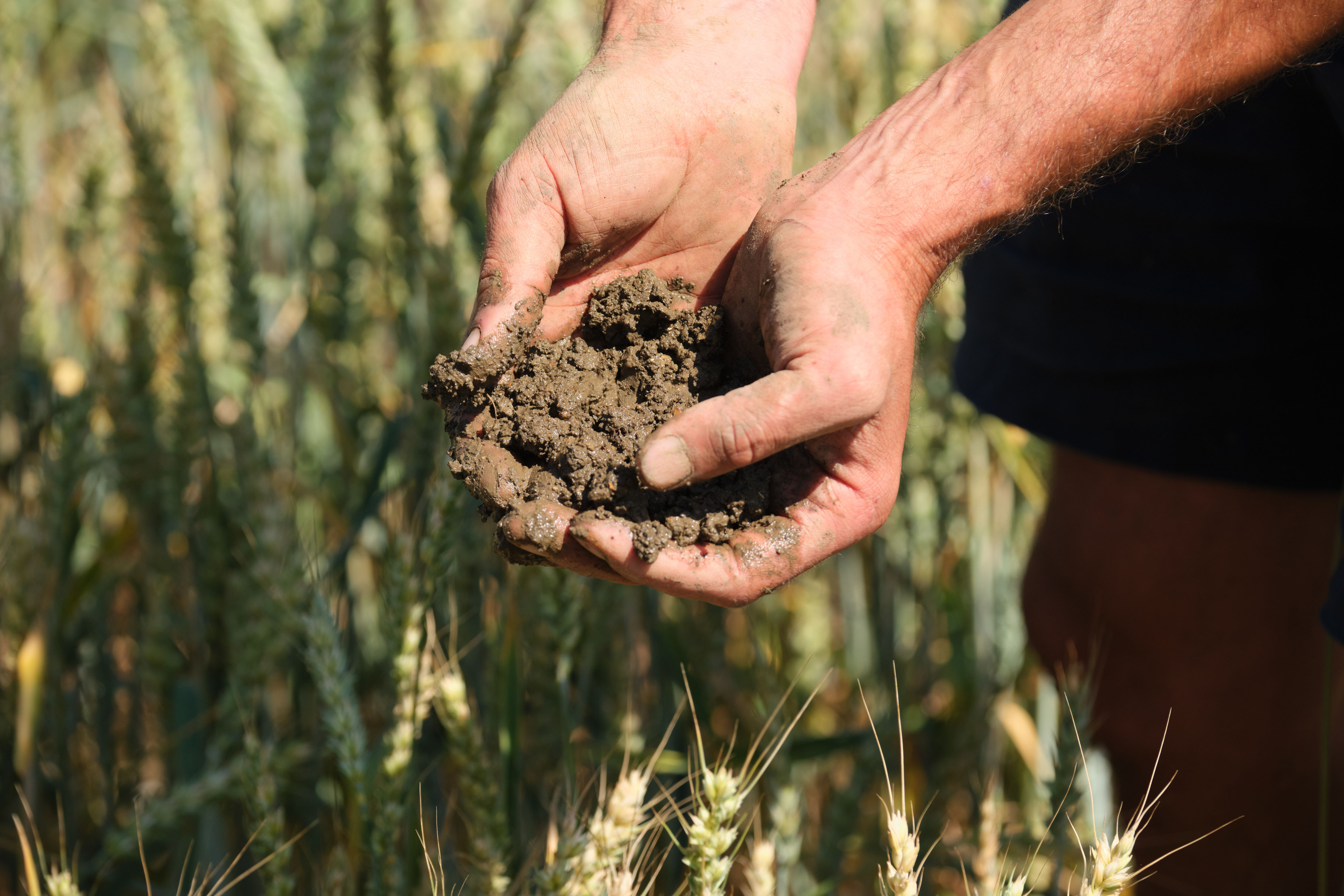
Many people in the UK will be noticing the dryness of the soil in their own gardens following the incredibly hot and largely rain-free summer. Claire Donkin said the same broad principles that she uses on her farm, can apply to gardens and allotments.
“Soil is not just something that holds a plant upright. It is a living resource that needs time and care. In autumn, there can be a temptation to clear everything away and leave the ground bare. But fallen leaves, compost, plant roots and less-disturbed areas can all play a useful role in helping to keep the soil healthy into the following year,” said Ms Donkin.
Here are 5 top tips for gardeners this autumn:
- Compost suitable garden and food waste.
- Use fallen leaves to make leaf mould or mulch.
- Avoid unnecessary digging.
- Keep some plants or living roots in the ground over winter.
- Leave selected seed heads and stems as habitat for wildlife.
Purina has more information on www.purina.co.uk/farming about how small changes to people’s routines in their gardens can help care for soil and wildlife.
Notes to Editors
Research methodology
- Farmer research: The research was conducted by Censuswide among 100 UK farmers between 7 and 14 September 2026. Censuswide is a member of the Market Research Society and British Polling Council and a signatory of the Global Data Quality Pledge.
- Consumer research: The research was conducted by Censuswide among a nationally representative sample of 2,000 UK adults between 8 and 10 September 2026.
About the 2026 harvest yields: The Agriculture and Horticulture Development Board (AHDB) monitors harvest data across the UK each year. Its Harvest progress: Second report of 2026, outlines historically low harvest yields. Data captured by The Andersons Centre (2026), Defra historical yields via https://ahdb.org.uk/cereals-oilseeds/gb-harvest-progress
About regenerative agriculture: There is no single universally accepted or regulatory definition of regenerative agriculture. Purina defines it as an approach to farming that aims to conserve and restore natural resources, primarily soil, as well as water and biodiversity, while capturing carbon in soils and plant biomass and supporting farmers’ livelihoods.
Measurement notes: The 29% figure relates to the proportion of cereals and vegetable proteins used in Purina pet food, by volume using a mass balance approach. It measures ingredients sourced from farmers adopting regenerative agriculture practices. The 2030 goal is 50%.
