If you’ve ever unwrapped a KitKat, carried your weekly shop in a plastic bag, or grabbed a slice of bread from a bread bag, you’ve handled flexible plastic. It’s lightweight and versatile, but until recently, it’s been a challenging material to recycle.
That’s why we’re proud to support a new report launched in UK Parliament this week.
“The Future of Recycling Flexible Plastic Packaging in the UK” lays out a blueprint for how these materials can be collected and recycled cost-effectively across the country.
The report is the result of a three-year FlexCollect project, the UK’s largest trial of its kind, involving 10 local authorities, 160,000 households, and more than 400 tonnes of flexible plastic, equal to more than 50 million bread bags. Ecosurety, SUEZ recycling and recovery UK, RECOUP and WRAP and sponsored by the Flexible Plastic Fund (FPF), of which we were a founding member.
The example of KitKat
In 2022, we began rolling out new wrappers made of 75% recycled plastic for KitKat manufactured at our factory in York. This move was guided by a lifecycle analysis from independent experts, which found that recycled plastic had a significantly lower environmental impact than the traditional foil and band packaging, including a 20% reduction in carbon footprint.
These wrappers are recyclable at more than 4,000 supermarkets across the UK, in the Republic of Ireland, many households can now recycle flexible plastics directly through kerbside collection. This trial will support rolling out kerbside collection to households across the UK in 2027, making it easier to recycle your KitKat wrappers.
What the FlexCollect trial found
The results of the FlexCollect pilot were encouraging:
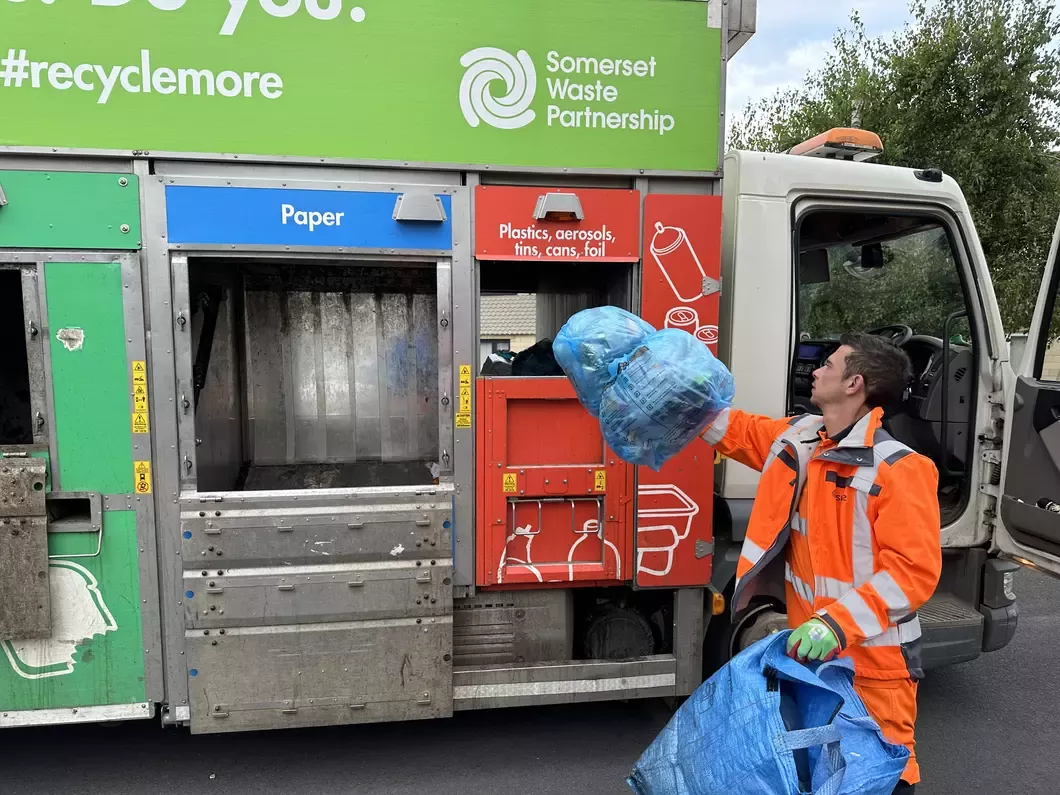
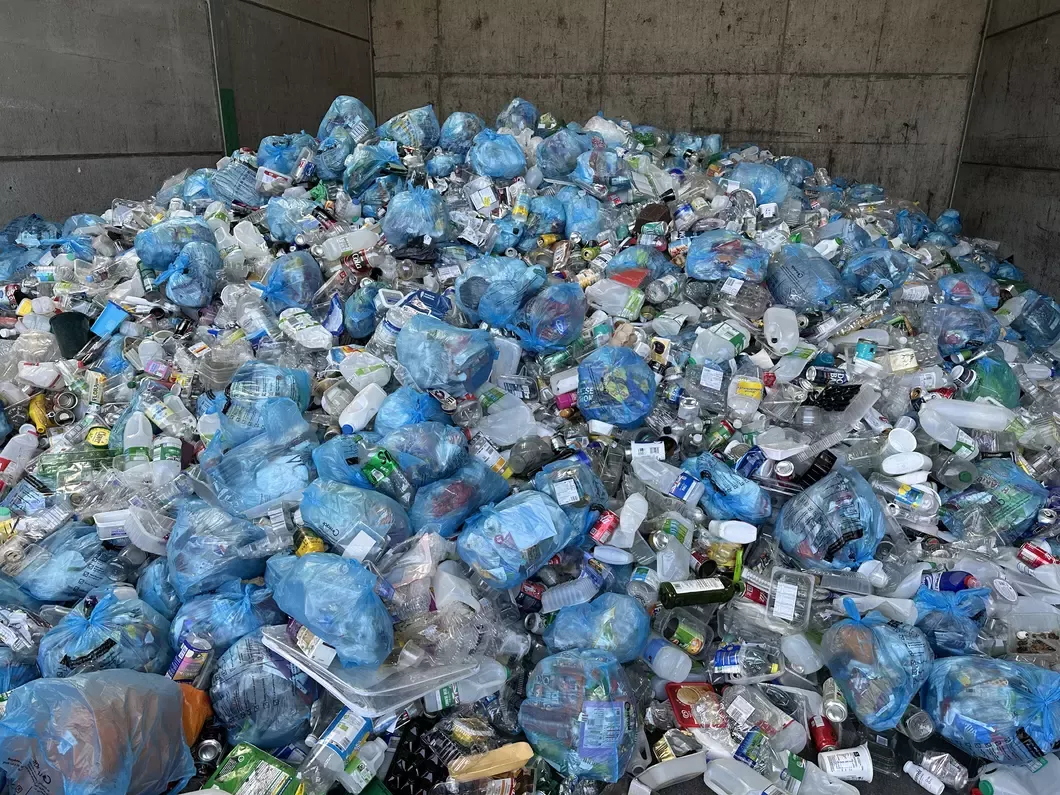
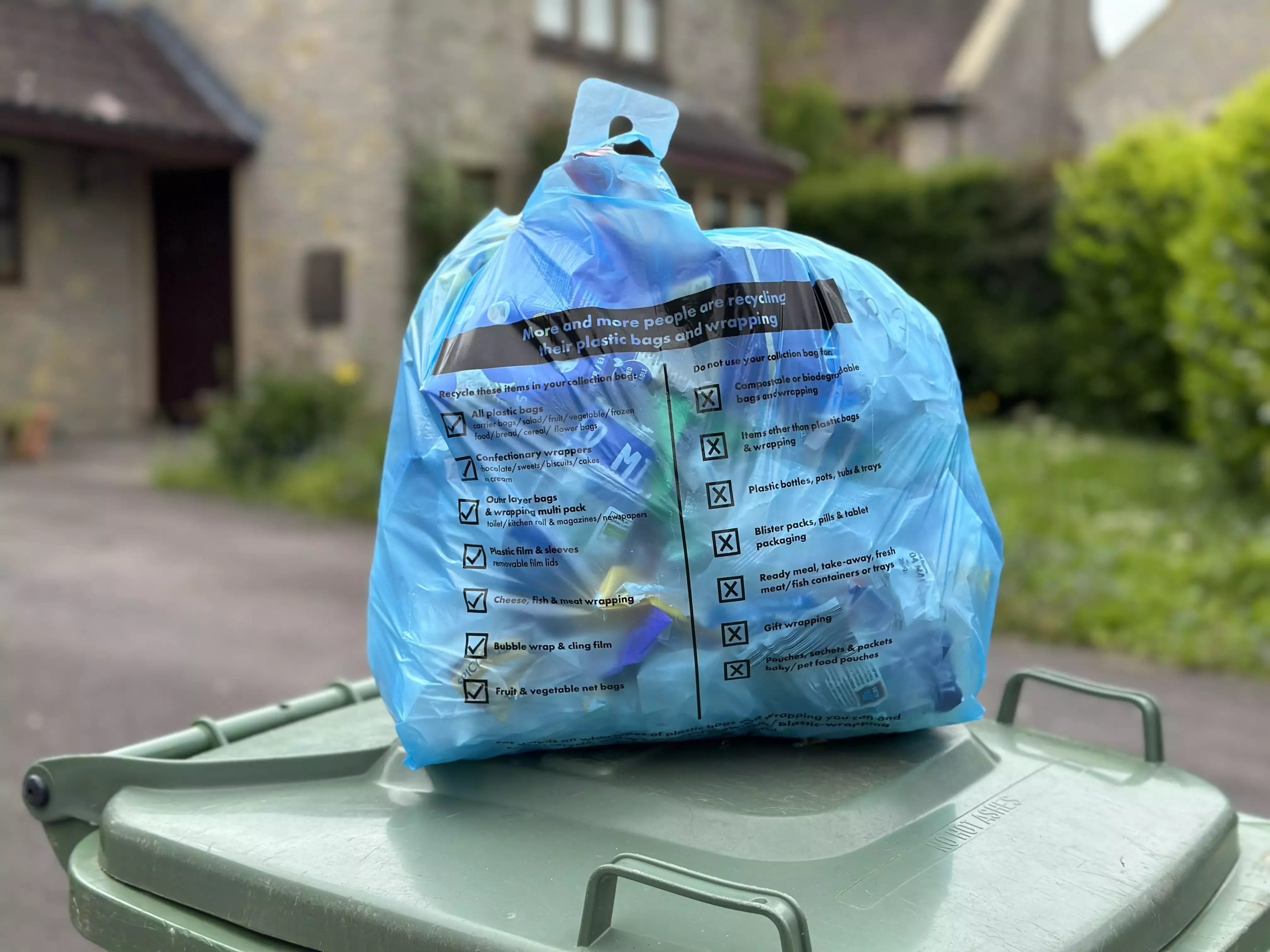
- Collection is achievable: Flexible plastics were easily collected alongside regular household recycled using brightly coloured bags.
- Consumers are ready: The trial saw an 89% satisfaction rate from households.
- Recycling works: Once sorted, the plastics were recycled into new products like plastic bags, fences and benches.
But there’s still work to do. The UK currently lacks sufficient infrastructure to recycle flexible plastics at scale. That’s why the report calls for urgent investment in UK-based reprocessing capacity and the development of robust end markets for recycled flexible plastic packaging.
Our commitment to circular packaging
We have an ambition that all of our packaging to be designed to be recyclable or reusable by the end of this year. Supporting the FlexCollect pilot is a key part of that ambition.
We’ve also invested in Impact Recycling, a company developing innovative ways to process flexible plastics into new products. We’re dedicated to ensuring our packaging can have multiple lives and don’t end up as waste in landfills. Supporting innovation like this is just one of the many steps we’re taking to build a more sustainable future.
Looking ahead
With the Government committed to rolling out household recycling of flexible plastics across England by March 2027, the FlexCollect report provides a clear roadmap for change.