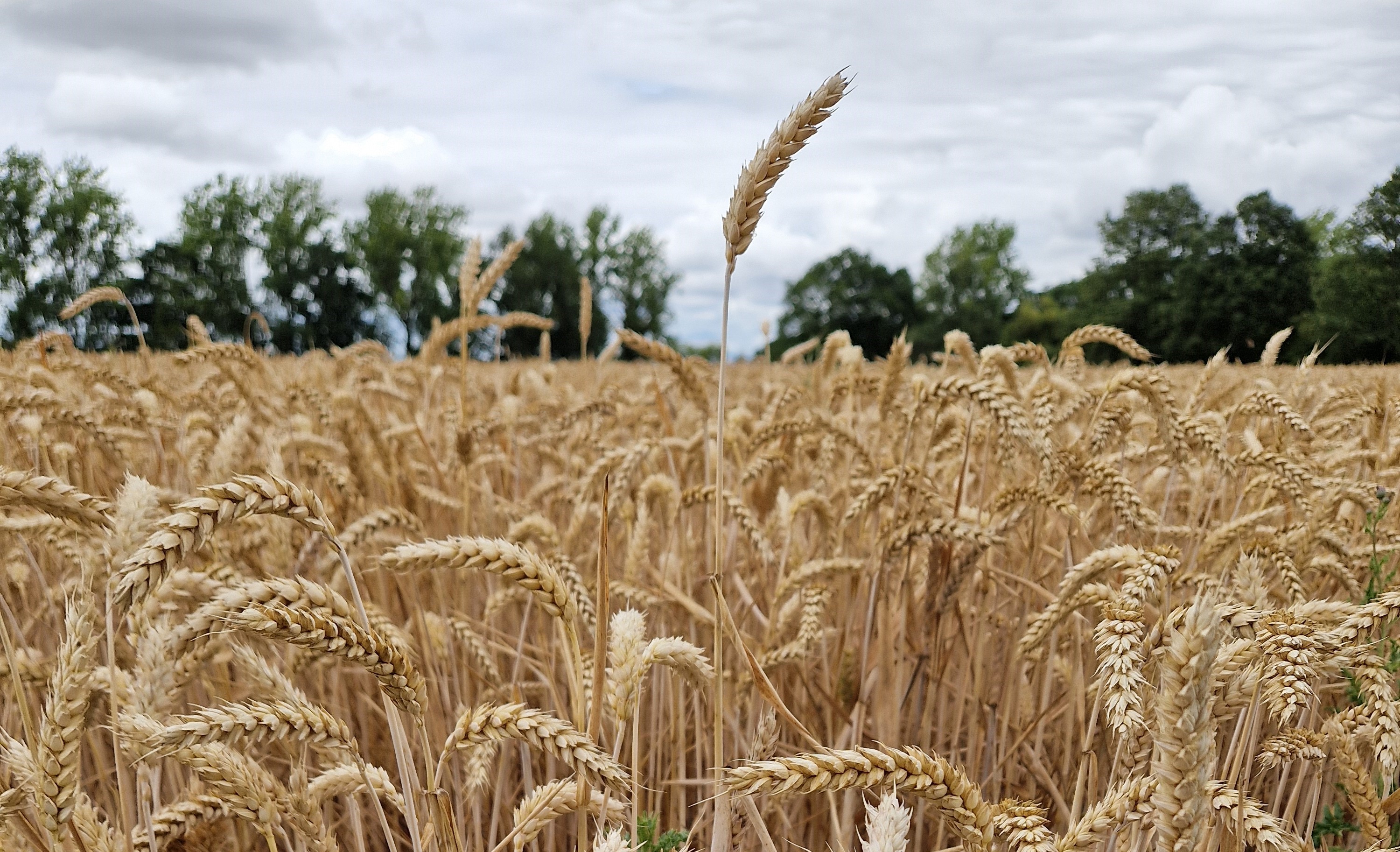
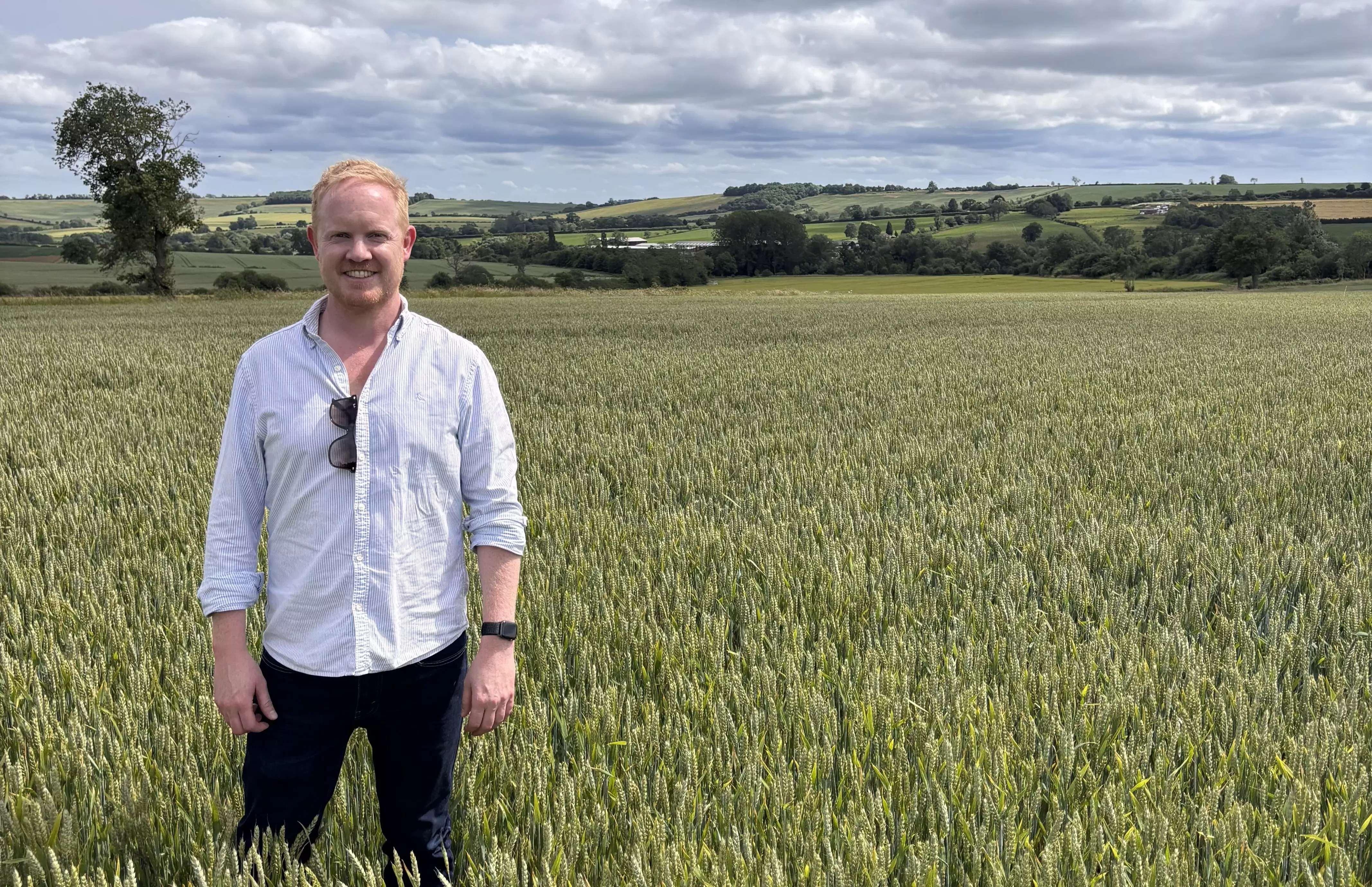
Meet Mike Warmington, Regeneration Lead at Nestlé UK and Ireland. He’s usually out in the fields of Cumbria with dairy farmers or talking about sugar beet in Norfolk, but over the past year, he’s also spent plenty of time in wheat fields.
That’s because Mike has been working closely with Wildfarmed, a regenerative food and farming business helping to prove that when farming works with nature, everything gets better.
Together with Wildfarmed, we’ve launched a KitKat made with a regenerative wheat blend, an important step forward in our journey to source ingredients more sustainably. And behind that launch is a team of people helping to make that happen. So, let’s start with Mike.
Mike, can you tell us a bit about your role in making this partnership happen?
“It’s important to say it’s a team effort. A really big team effort, I’d say. But within that, my specific role’s focused on what’s happening in the sustainability aspect of the work. So, I’ve been talking to Wildfarmed about what practices they’re asking farmers to do to meet their standards, working with them to understand what the impact of that is on biodiversity, on water, on carbon GHG emissions etc. That’s really the focus area for me as I work on our broader efforts on sourcing from regenerative farms and reducing our scope 3 carbon footprint (GHG emissions in our supply chain). This project with Wildfarmed contributes directly to the goals we already have.”
What excited you about working with Wildfarmed?
“I started at Nestlé a little while after the Wildfarmed partnership was already in the works, so I kind of picked up the baton. To begin with, they’re an exciting brand, they bring regenerative agriculture to the masses. They’re doing it in a really fun way that’s accessible to people and they talk in plain language about something which can be technical or dry – and they’re doing a great job at it. We’ve got our own ambitions on regen ag and to find a business which shares that ambition but allows us to also access the wider public is ideal.
“The other thing about working with them is that there’s a real genuine commitment to impact from the top down. You talk to the leadership team and anyone you meet at Wildfarmed, and they’re really focused on the underlying impact of the work. They’re trying to make sure that the practices in their supply chain are genuinely improving the soil.”
Why is regenerative agriculture such an important focus for Nestlé?
“It’s so fundamental to everything that we do, to every product that we produce. The health of our soil is critical to the food and drink business, by looking after it through regenerative practices it helps build resilience into our supply chain and food security for years to come. It’s absolutely central to our ambition to source 50% of our ingredients from regenerative agriculture by 2030.
“We’ve also got ambitions to be net zero by 2050 and reduce our greenhouse gas emissions by 50% by 2030. Regenerative agriculture is central to that too. As a food business, most of your carbon footprint comes from your upstream supply chain and from what’s produced on farm. If you don’t tackle that, you’re never going to reach those goals. It’s essential to our business success. We need to look after the soil in order to look after our products.”
What makes regenerative wheat different from conventionally grown wheat?
“The wheat itself and the flour won’t change the flavour or snap of the KitKat, and that’s what we want. However, this wheat is grown in a way that works with nature. the ambition, not to have a different product at the end but to achieve the same quality whilst grown in a more sustainable way.”
How do you see partnerships like this helping regenerative agriculture become more mainstream in the UK?
“What’s more mainstream than a KitKat? They’ve been in homes across the country for more than 90 years. In every shop you go into. I think it’s brilliant. If you can get regeneratively sourced wheat into one of the biggest chocolate bars in the country, then that makes me hopeful for the future of growing ingredients in this way. It shows what’s possible.
“Despite Nestlé being global, our supply chains are often local; milk from farms in Cumbria and wheat from farms across the UK. If we want to deliver those regenerative sourcing goals and those carbon goals, it relies on partnerships and it relies on working with farmers, large or small, and showing that if they adopt these practices, if they choose to farm in a regenerative way – there is a demand for it.”
What do you hope this partnership will lead to in the future?
“I hope it leads to more regeneratively sourced products in our industry. Let’s see how this goes but why not?
“I also hope it leads to more people wandering around the supermarket and wondering ‘Oh? What’s Wildfarmed? What’s regenerative agriculture?’ and pushing them to learn more about it. That’d be amazing because the more people understand about the supply chain, agriculture and food, the more they’ll get on board with it."
What’s it like seeing this work turn into a product people can actually buy?
“Amazing. Being able to use segregated flour, knowing it comes from Wildfarmed farms, being able to trace it from farm to the factory and then onto shelves is brilliant. Knowing that KitKat, a huge brand is now adopting regenerative agriculture practices in its ingredients for milk, cocoa and now wheat is great. It’s a sign of what’s to come.”